


Thank you for Subscribing to Med Tech Business Review Weekly Brief

MED-EL
Ilona Anderson, Corporate Director of Clinical Research
The Evolving Realms Of Medical Device Clinical Research: Challenges And Opportunities On The Journey Towards Individualized Hearing Technology And Care
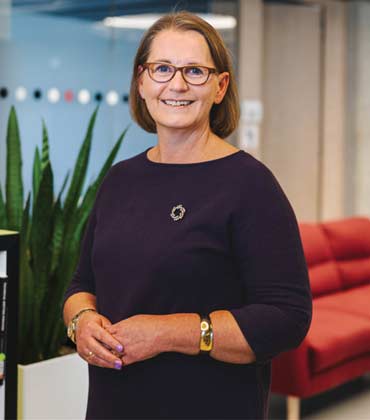
Ilona Anderson
Clinical research is a fascinating domain, particularly in the field of medical devices. The speed at which clinical research has evolved has kept pace with the technology innovations themselves. We have transitioned from proving the efficacy of technology before it becomes commercially available to today, where we are core to the whole journey of our products and the phenomenal impact it has on people’s lives across the globe. In my specialist field of hearing implants, we are at the forefront of innovation and see groundbreaking advancements, challenges, and opportunities converge. As the Corporate Director of Clinical Research at MED-EL, my mission is clear: to bring hearing to life. What that means to me is ensuring that the medical products we develop are not only safe but also truly enhance the lives of our users. We meticulously evaluate and assess the performance of our devices to guarantee their safety and effectiveness. I have been working at MED-EL for 23 years, and my dedication to this field is unwavering – my commitment stems from our shared goal of providing the best possible experience for users. While we are undeniably a technological company, our true mission is to harness this technology to create optimal listening environments for each individual. At MED-EL, there is no button that says “click here, one size fits all.”
Bringing hearing to life My current projects exemplify the diversity of working in clinical research. Our dedication extends beyond product development, encompassing the entire lifecycle of our offerings, from external apps to internal implants. This continuous scrutiny ensures that we provide the most dependable products on the market. It is indeed a monumental task, particularly considering that once an implant is in place, it typically remains there. However, just like any lifelong medical device, such as a hip replacement, cochlear implants also require long-term study and monitoring, subject to stringent regulations. Having started my career as an audiologist and speech-language pathologist in South Africa, I have first-hand experience of the life-changing impact of hearing implants. My passion for patient-centered innovations led me to clinical research and to MED-EL with its headquarters in Innsbruck, Austria. My journey here has offered insights into the evolving clinical research landscape. My team’s goal is to remain at the forefront, continually seeking ways to enhance the lives of our users through personalized solutions, a testament to the dynamic future of clinical research. Navigating challenges to find new opportunities to push the boundaries of clinical research As clinical research at MED-EL continues to spearhead the evolution of hearing implant technology, several topics specifically shed light on the challenges and opportunities in this field. Patient-centric approaches, the integration of cutting-edge technologies, and evolving regulatory dynamics are prominent examples shaping our clinical research strategies. MDR, or Medical Device Regulation, has significantly transformed our approach to clinical research and data utilization for product approvals. It has driven us to refine protocols, elevate data quality, and emphasize postmarket surveillance, all in the pursuit of ensuring long-term patient safety and product efficacy. MED-EL navigates intricate regulatory landscapes, striving to ensure our hearing implants meet rigorous standards for safety and effectiveness. This challenge, however, presents an opportunity to enhance the quality and reliability of our devices, ultimately improving patient outcomes and satisfaction. Incorporating advanced technologies into our research, such as AI, MED-EL is poised to lead the way in innovation. By harnessing the power of these technologies, we can develop smarter and more adaptive hearing implants. Furthermore, MED-EL’s dedication to patient-centered clinical research emphasizes the importance of tailoring solutions to individual needs.We Meticulously Evaluate And Assess The Performance Of Our Devices To Guarantee Their Safety And Effectiveness
The articles from these contributors are based on their personal expertise and viewpoints, and do not necessarily reflect the opinions of their employers or affiliated organizations.
