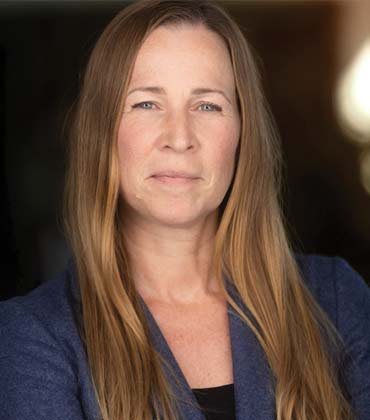
Helene Gustafsson
Dear CEO, board of directors, business angel, I guess we can all agree that working with or investing in healthcare feels good. Who would not want to ‘Help Healthcare Professionals,’ ‘Save Lives’ or ‘Improve Health’? But are we, in the MedTech industry, succeeding in delivering clinically meaningful medical devices to the market?
For sure, it has been a huge driver for me while working on the development of medical devices. I started out as a healthcare professional myself. After some years working at hospitals, I wanted to do research. I wanted to take part in developing exciting medical devices which would make significant contributions to helping healthcare professionals do their important work and help patients in managing their illnesses. I wanted to make sure that fantastic products were developed and supported with clinical evidence to show superior clinical performance in the realworld setting.
After more than 20 years in the MedTech industry, I have come to some insights I would like to share. So, keep reading as you might learn something from a clinical perspective, something that tends to dissolve in technology-driven companies. You have the power to change the conversation!
I am sitting at the weekly RD directors meeting, the only nonengineer leader in this forum. I am responsible for the clinical function and surrounded by technology functional leaders. The discussions evolve around technical challenges in production, keeping up yield, production risks, and design for manufacturing. The conversation moves on to a talk about new cool technologies for potential implementation in our product range and how to potentially implement AI solutions.
Now it is getting really exciting! - The thought of all the health care professionals and patients we will be able to help with innovative medical device solutions. Giving them easier workflows, supporting clinical decision making and facilitating the treatment of diseases. I raise my hand and ask how the implementation of this new technical feature will change the clinical value proposition of the product.
Clinical Teams Are Formed In The Organisation As A Necessity For Being Compliant, Not Because The Clinical Thinking Should Be A Key Driver For Being A Successful Medical Device Company
In many MedTech companies, RD accounts for the largest group of employees as they are the ones bringing the products from feasibility to final functional product. We all love technical solutions and cool features. The eagerness to implement technological landslides is high. First, silence then attempts to argue how the technical features can be turned into a customer needs. Not the other way around i.e. what are the customer needs, and how can we develop solutions to meet those needs? I am sure that many of the readers of this journal will think: ‘But that is easily solved by doing userdriven innovation. We have been doing that for years.’ And I agree that this is the general perception for most medical device companies. However, the story keeps repeating itself. I have had this experience in several different companies and concluded that if technology development is the primary driver in a company, the needs of the user/patient tend to lose focus. We end up matching the technological advances to the users instead of vice versa, with the risk that they do not recognise the value of the final product
The new medical device is now in the final phases of development. RD feels ready to hand over the product for market clearance. The discussions about the storyline for the product intensify. What is the value proposition, and what needs are we really solving? What are the clinical claims and benefits that we can present the healthcare professional with? Colleagues in Sales are trying to understand what key features should be in focus. However, as the user focus was lost during development, the features are not clearly related to what clinical value will be achieved. As the customer is a healthcare professional, a patient or a hospital, they will have a natural demand for understanding how buying this new medical device will bring value to them. If this is not clear, why would they want to make a purchase?
In the EU, clinical thinking is now forced by regulation. The EU Medical Device Regulation (MDR) 2017/745 is in the process of replacing the old EU Medical Device Directive (MDD). As a result of the lack of clinical validation during product development, there have been very unfortunate examples of patients getting severely harmed by malfunctioning medical devices. The implementation of the MDR is a secure way to increase the clinical safety and performance of medical devices. With the higher focus on clinical safety and performance comes a demand for being able to explain the clinical benefits of the products. However, it is still a struggle for many medical device companies to convert from heavy technology thinking to a more clinical focus. Clinical teams are formed in the organisation as a necessity for being compliant, not because clinical thinking should be a key driver for being a successful medical device company
So, dear CEO, dear board of directors, dear business angel: You have the power to demand the clinical user focus as a strong driver for product development in your companies. You can build the companies to ensure focus on the clinical user needs at the highest level of the organisation. This way, we can make clinical value proposition a high priority and increase the production of meaningful and valuable medical devices so we can really ‘Help Healthcare Professionals,’ ‘Save Lives’, and ‘Improve Health